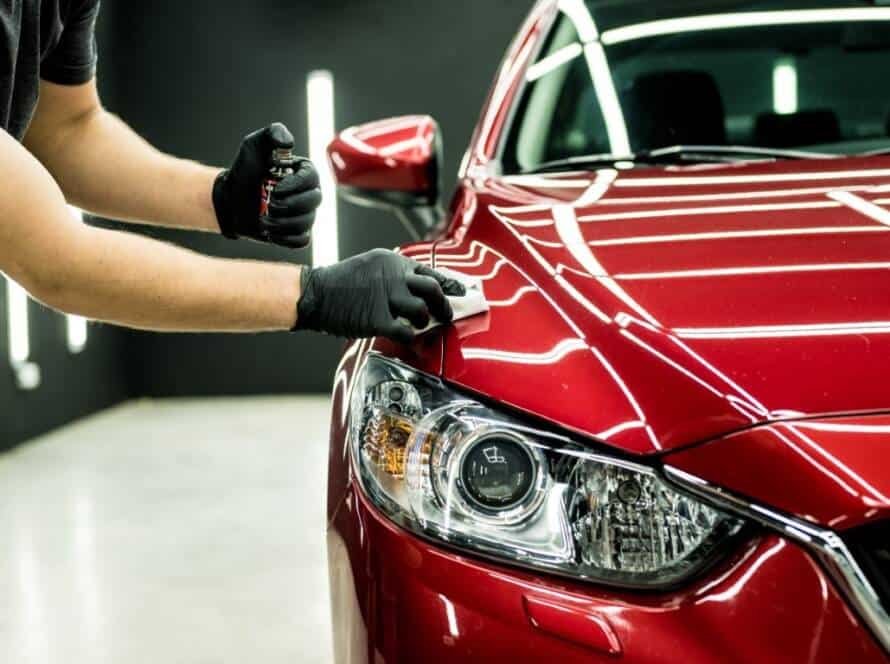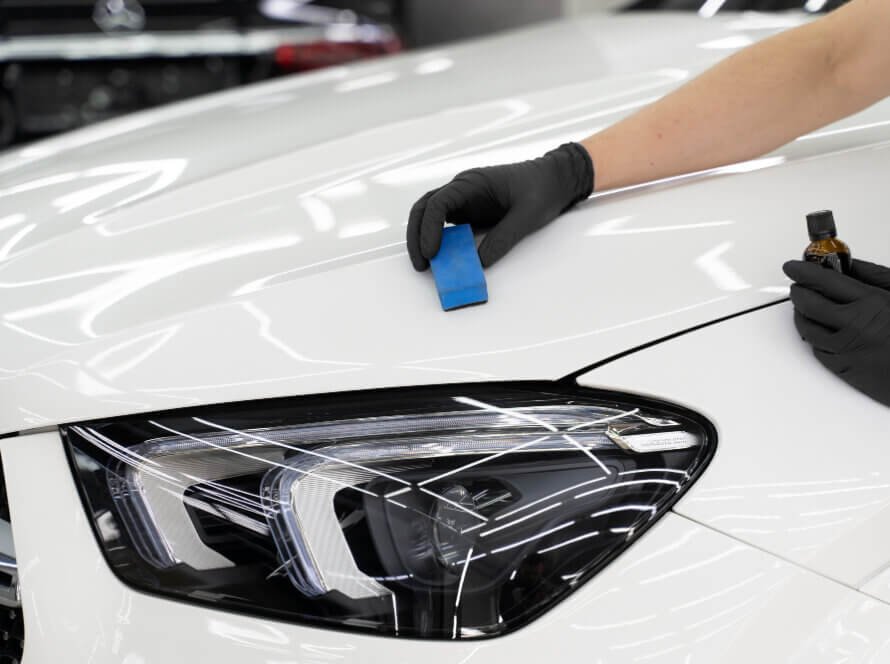
Paint Protection Film (PPF) has become one of the most popular upgrades for vehicle owners who want to preserve their car’s paint and maintain its resale value. Whether you drive a daily commuter, a luxury vehicle, a sports car, or a brand-new SUV, PPF provides a protective barrier against rock chips, scratches, road debris, bug splatter, bird droppings, and environmental contaminants.
However, when shopping for PPF, you’ll quickly notice that prices can vary dramatically. One installer may quote a few hundred dollars, while another may charge several thousand dollars for seemingly the same service. This often leads car owners to ask an important question: What is the difference between cheap PPF and premium PPF?
The answer lies in the quality of materials, manufacturing processes, self-healing technology, durability, warranty coverage, and overall performance. While both options can provide some level of paint protection, the long-term results can be vastly different.
This guide explores the major differences between cheap and premium PPF and helps you determine which option is best for your vehicle and budget.
What Is Paint Protection Film (PPF)?
Paint Protection Film is a transparent polyurethane-based film applied to a vehicle’s painted surfaces. It acts as a sacrificial layer that absorbs impacts and protects the factory paint underneath.
- Front bumpers
- Hoods
- Fenders
- Side mirrors
- Door edges
- Rocker panels
- Headlights
- Entire vehicles
The primary goal of PPF is to preserve the original paint finish and reduce the risk of costly paint repairs caused by everyday driving conditions.
Modern PPF technology has evolved significantly over the years. Today’s premium films offer advanced self-healing capabilities, hydrophobic properties, and exceptional optical clarity that make them nearly invisible once installed.
Cheap PPF vs Premium PPF: Quick Comparison
| Feature | Cheap PPF | Premium PPF |
| Material | PVC or Low-Grade TPH | Premium TPU |
| Clarity | Average | Crystal Clear |
| Self-Healing | Rare | Standard |
| UV Resistance | Limited | Advanced |
| Yellowing Resistance | Moderate to Poor | Excellent |
| Hydrophobic Coating | Usually No | Usually Yes |
| Lifespan | 1–3 Years | 5–10+ Years |
| Warranty | Limited or None | Manufacturer Backed |
| Impact Protection | Basic | Superior |
| Long-Term Value | Lower | Higher |
Although these differences may appear minor on paper, they become highly noticeable after months or years of ownership.
Material Quality: The Foundation of PPF Performance
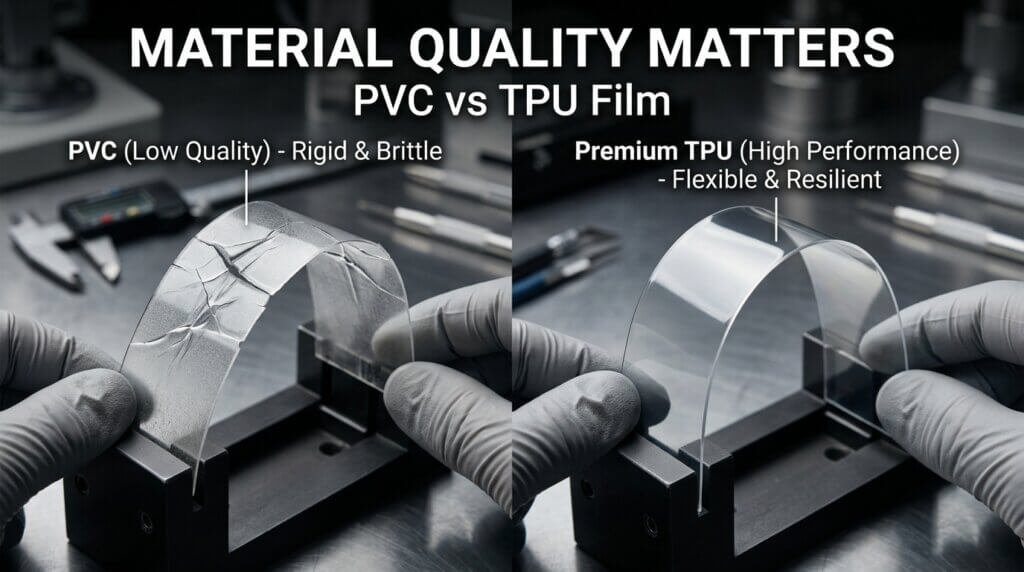
The biggest factor separating cheap and premium PPF is the material used to manufacture the film.
Cheap PPF Materials
Budget-friendly films are often made from PVC (Polyvinyl Chloride) or lower-quality TPH (Thermoplastic Hybrid) materials.
These films are generally less expensive to manufacture, which helps reduce the upfront installation cost. However, they often come with trade-offs.
Common issues associated with cheaper materials include:
- Reduced flexibility
- Increased brittleness over time
- Faster deterioration
- Greater risk of yellowing
- Lower impact resistance
- Reduced clarity
While they can provide basic protection, they may not perform well under harsh environmental conditions.
Premium TPU Materials
Premium Paint Protection Films are typically manufactured from Thermoplastic Polyurethane (TPU).
TPU is widely considered the gold standard in the PPF industry because of its exceptional durability and flexibility.
Benefits of TPU include:
- Superior impact absorption
- Better scratch resistance
- Enhanced flexibility
- Improved optical clarity
- Longer lifespan
- Better resistance to cracking and peeling
This material difference is one of the primary reasons premium PPF commands a higher price.
Self-Healing Technology: One of the Biggest Advantages
One feature that truly separates premium films from budget alternatives is self-healing technology.
How Self-Healing PPF Works
Premium films contain specialized elastomeric polymers within the top coat. When minor scratches or swirl marks occur, exposure to heat allows the surface to return to its original smooth state.
Heat sources may include:
- Direct sunlight
- Warm water
- Engine heat
- Heat guns
This means minor scratches can disappear without polishing or replacing the film.
Cheap PPF Limitations
Most low-cost films either lack self-healing properties entirely or offer limited performance.
As a result:
- Swirl marks accumulate over time
- Light scratches remain visible
- The film begins to look worn much sooner
For vehicle owners who prioritize appearance, self-healing technology alone can justify investing in premium PPF.
Durability and Lifespan
One of the most important considerations when choosing PPF is longevity.
Cheap PPF Lifespan
Budget films generally last between one and three years, depending on environmental conditions and maintenance.
Common signs of aging include:
- Yellowing
- Peeling
- Cracking
- Loss of gloss
- Surface staining
Vehicles exposed to intense sunlight or extreme temperatures may experience these issues even sooner.
Premium PPF Lifespan
Premium TPU films are engineered for long-term protection.
Many premium products offer:
- 5 to 10 years of performance
- Excellent weather resistance
- Strong UV protection
- Resistance to road chemicals
- Consistent appearance over time
For long-term vehicle ownership, premium PPF typically provides a much lower cost per year of protection.
Resistance to Yellowing and UV Damage
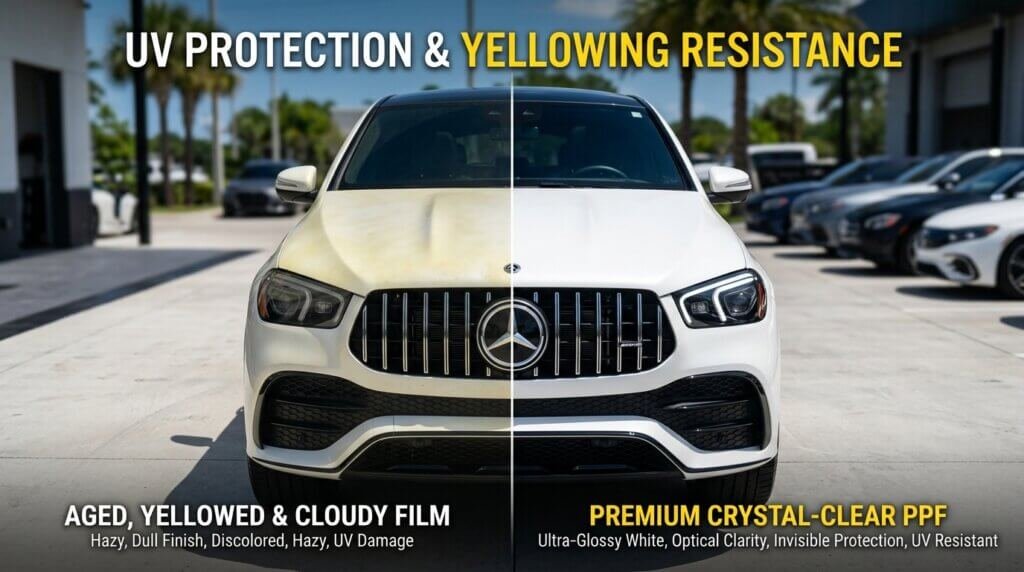
Yellowing is one of the most visible indicators of low-quality PPF.
When UV rays break down inferior materials, the film may develop a yellow or cloudy appearance that detracts from the vehicle’s aesthetics.
This issue is particularly noticeable on:
- White vehicles
- Silver vehicles
- Light-colored paint finishes
Premium PPF incorporates advanced UV inhibitors and protective coatings that help maintain transparency and clarity for many years.
This means your vehicle retains its original appearance without the unsightly discoloration often associated with cheaper films.
Adhesive Quality and Installation Performance
Many people focus solely on the film while overlooking the importance of adhesive technology.
Poor-quality adhesives can cause several issues, including:
- Edge lifting
- Bubbling
- Peeling
- Uneven adhesion
- Residue during removal
Premium films use advanced adhesive systems that create a stronger bond while still allowing safe removal when necessary.
A high-quality adhesive not only improves appearance but also helps ensure the film performs as intended throughout its lifespan.
Optical Clarity and Overall Appearance
For many car enthusiasts, appearance matters just as much as protection.
Cheap PPF Appearance
Budget films may display:
- Orange peel texture
- Reduced gloss
- Distorted reflections
- Visible edges
- Surface haze
These imperfections can become more noticeable as the film ages.
Premium PPF Appearance
Premium films are designed to be nearly invisible.
Benefits include:
- Crystal-clear transparency
- Enhanced gloss
- Smooth finish
- Better paint depth
- Virtually undetectable installation
Many premium films actually improve the appearance of the paint while protecting it.
Hydrophobic Properties and Easier Maintenance
Many premium PPF products feature built-in hydrophobic coatings.
These coatings help:
- Repel water
- Reduce dirt accumulation
- Improve cleaning efficiency
- Minimize water spotting
As a result, vehicles stay cleaner longer and require less maintenance.
Cheap PPF products typically lack these advanced coatings, making them more susceptible to dirt buildup and staining.
Warranty Coverage
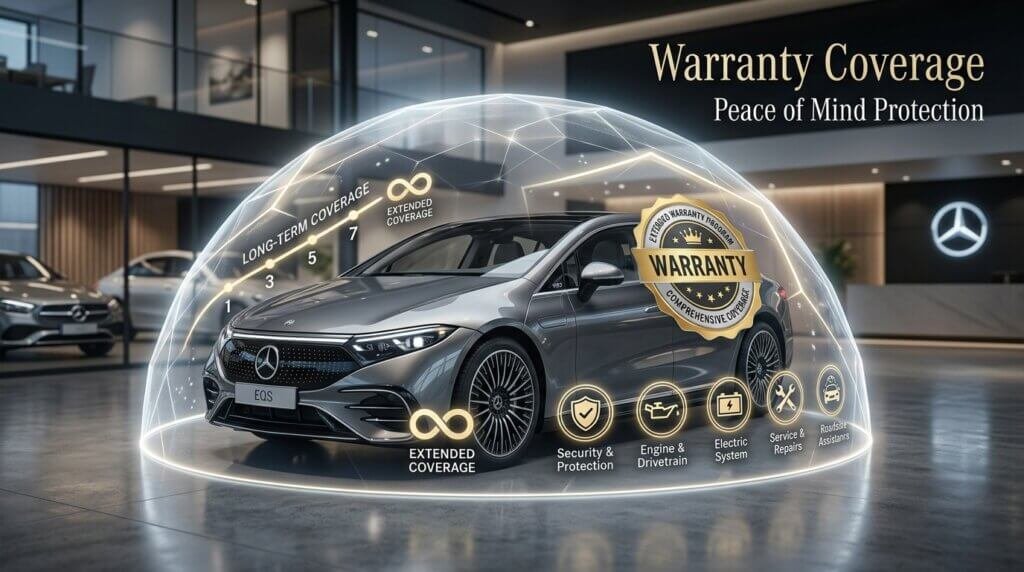
Warranty protection is often a strong indicator of product quality.
Cheap PPF Warranties
Lower-cost films may offer:
- No manufacturer warranty
- Limited coverage
- Short warranty periods
Premium PPF Warranties
Many premium brands provide warranties ranging from five to ten years or more.
Coverage often includes:
- Yellowing
- Cracking
- Peeling
- Delamination
This additional protection provides peace of mind and reinforces the value of the investment.
Cost vs Long-Term Value
The most common reason people choose cheap PPF is the lower upfront cost.
However, focusing solely on initial pricing can be misleading.
A cheap film that requires replacement after two years may ultimately cost more than a premium film that lasts eight to ten years.
When evaluating value, consider:
- Installation costs
- Film lifespan
- Maintenance requirements
- Replacement frequency
- Paint preservation
- Vehicle resale value
Premium PPF often delivers better long-term financial value despite the higher initial investment.
Who Should Choose Cheap PPF?
Cheap PPF may be suitable if:
- You plan to sell the vehicle soon
- You need temporary protection
- Budget is your primary concern
- The vehicle has lower resale value
For short-term ownership, a lower-cost solution may provide adequate protection.
Who Should Choose Premium PPF?
Premium PPF is usually the better choice if:
- You own a luxury vehicle
- You drive frequently on highways
- You plan to keep the vehicle long term
- You want maximum paint preservation
- Resale value is important
- You care about maintaining a flawless appearance
For most new vehicle owners, premium PPF provides the best balance of protection, durability, and long-term value.
Final Verdict
The difference between cheap PPF and premium PPF goes far beyond price. Premium films use superior TPU materials, advanced self-healing technology, stronger adhesives, better UV protection, enhanced clarity, and significantly longer warranties.
While cheap PPF may offer basic protection at a lower upfront cost, it often falls short in durability, appearance, and long-term performance.
If you are looking for the best protection for your vehicle and want to preserve its appearance for years to come, premium PPF is typically the smarter investment. Although the initial cost is higher, the benefits in longevity, performance, and resale value often make it the more cost-effective choice in the long run.