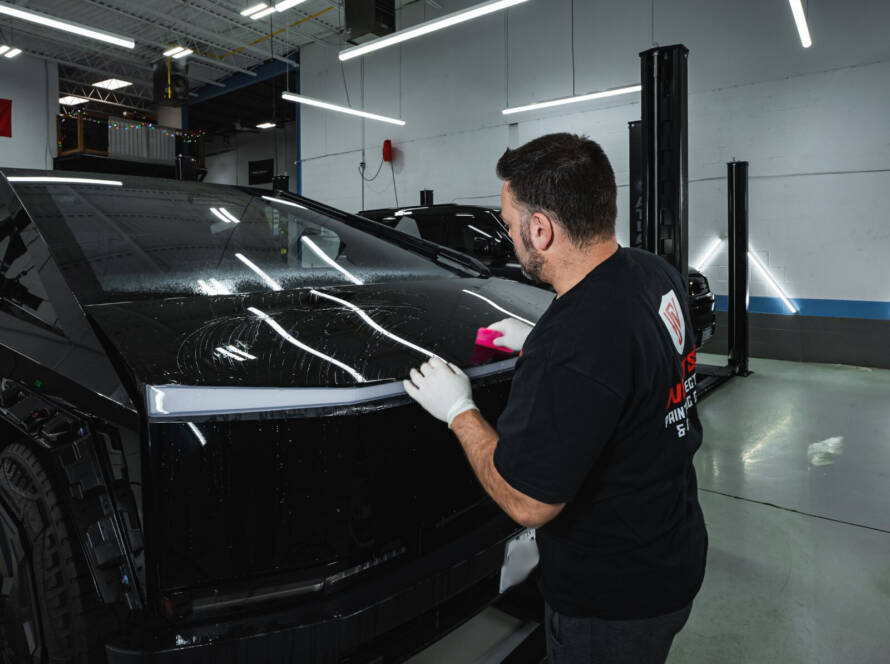
Car enthusiasts, vehicle owners, and anyone serious about maintaining their car’s appearance often face a critical choice when it comes to paint restoration: single-stage or multi-stage paint correction. Both methods aim to remove swirl marks, scratches, oxidation, and other imperfections, but they differ in approach, intensity, and results. Choosing the right method ensures your car’s paint looks flawless while preserving its value.
Single-stage paint correction is ideal for cars with minor surface issues, delivering a polished, reflective finish efficiently. Multi-stage paint correction is necessary for deeper scratches, swirl marks, or oxidized paint, providing a professional-grade, mirror-like finish that transforms the vehicle’s overall look. Selecting the right approach depends on your car’s condition, age, and the level of perfection you seek.
What is Single-Stage Paint Correction?
Single-stage paint correction involves one round of polishing to remove light imperfections such as swirl marks, minor scratches, water spots, and oxidation. It is the most commonly used method for newer vehicles or well-maintained cars.
Key Benefits of Single-Stage Paint Correction:
- Removes minor surface scratches and light swirl marks
- Restores the paint’s shine and gloss
- Quick process, generally completed within a few hours
- Less aggressive on the clear coat compared to multi-stage polishing
- Ideal for regular maintenance between washes and waxing
Single-stage correction is perfect for everyday vehicles, especially those maintained with regular washes and waxes. It provides an enhanced shine while keeping the paint layer intact. For drivers looking to refresh their car’s appearance without a high-cost investment, single-stage correction offers excellent value.
What is Multi-Stage Paint Correction?
Multi-stage paint correction involves two or more polishing stages, each using progressively finer compounds and polishing pads to remove deeper scratches, swirls, and oxidation. This method is commonly used on older vehicles or cars that have experienced significant paint damage.
Key Benefits of Multi-Stage Paint Correction:
- Eliminates deep scratches, swirl marks, and oxidation
- Produces a smooth, mirror-like finish
- Enhances reflective quality for show-grade appearance
- Prepares the vehicle for advanced protective coatings like ceramic
- Ideal for high-value, collectible, or heavily used vehicles
Multi-stage correction delivers a level of perfection that single-stage correction cannot. While it requires more time, expertise, and cost, the results are significantly more impressive. For car enthusiasts, professional-grade paint correction not only improves aesthetics but also preserves the vehicle’s value and longevity.
Single-Stage vs Multi-Stage | Key Differences
Understanding the differences between single-stage and multi-stage correction helps determine which method fits your vehicle and goals.
Feature | Single-Stage | Multi-Stage |
Purpose | Light scratches, swirls, minor oxidation | Deep scratches, heavy swirls, severe oxidation |
Time Required | 2–4 hours | 6–12 hours or more |
Cost | Lower, more affordable | Higher due to multiple steps and compounds |
Paint Removal | Minimal | Moderate to aggressive |
Finish Quality | Good shine, minor imperfections may remain | Mirror-like, professional-grade finish |
Ideal For | Newer or lightly damaged vehicles | Older or heavily scratched vehicles |
Preparation for Coatings | Suitable for wax or sealants | Best for ceramic coatings or advanced paint protection |
Single-stage correction suits minor imperfections and routine maintenance, while multi-stage is best for comprehensive restoration and high-end results.
How to Choose the Right Paint Correction for Your Car
Selecting the right paint correction method depends on your vehicle’s current condition, age, and desired outcome.
Consider the following factors:
- Paint Condition: Light swirls or scratches can be fixed with single-stage correction. Deeper imperfections require multi-stage polishing.
- Vehicle Age: Older vehicles often benefit from multi-stage correction to restore clarity and shine.
- Budget: Single-stage is cost-effective, while multi-stage offers superior results at a higher cost.
- Desired Finish: Multi-stage produces a near-showroom quality finish, perfect for premium vehicles or resale preparation.
Professional assessment by a certified detailing technician ensures you choose the best option for your car. Choosing the best paint correction method ensures efficient results, long-lasting shine, and protection for your car’s paintwork.
Tools and Techniques Used in Paint Correction
Professional paint correction relies on specialized tools and techniques to achieve optimal results.
Common Tools and Methods:
- Dual-action or rotary polishers for controlled polishing
- Foam, microfiber, or wool pads for different paint types
- Cutting compounds for deeper scratches
- Finishing polishes for fine gloss and reflection
- Clay bars to remove contaminants before polishing
- High-quality microfiber towels for post-polish cleaning
Using the correct tools ensures effective paint restoration without damaging the clear coat. Professional detailers evaluate your vehicle to choose the right combination of tools, compounds, and pads for optimal results. Professional techniques and tools are critical for safe, effective paint correction, maximizing results and minimizing risks.
Maintenance After Paint Correction
Proper maintenance ensures long-lasting results for both single-stage and multi-stage correction.
Recommended Practices:
- Wash your car regularly with pH-neutral car shampoo
- Avoid automated brushes that can cause swirl marks
- Apply wax, sealant, or ceramic coating to protect the surface
- Dry with soft microfiber towels
- Schedule regular touch-ups and inspections
Regular maintenance prolongs the life of the correction, maintains shine, and prevents new scratches or swirl marks from forming. Maintaining corrected paint is essential to preserve the investment in professional paint correction.
Single-Stage vs Multi-Stage: Costs in Ontario
Paint correction costs vary depending on the type, vehicle size, and level of damage.
Typical Cost Ranges:
- Single-Stage Correction: $150 – $400 per vehicle
- Multi-Stage Correction: $400 – $1,000+ per vehicle
Factors influencing cost include the size of the vehicle, extent of damage, number of polishing stages, and professional expertise. Multi-stage correction involves more labor, higher-quality compounds, and advanced techniques, justifying the higher price.
Understanding costs helps plan your budget effectively while ensuring your car receives the right level of attention.
Final Thoughts
Choosing between single-stage and multi-stage paint correction ensures your vehicle achieves the desired level of shine and protection. Single-stage correction is ideal for minor imperfections and routine maintenance, while multi-stage correction delivers deep restoration, perfect for older, high-value, or heavily scratched vehicles.
At Westside Pro, our expert team in Ontario provides professional paint correction services using high-quality tools, compounds, and techniques. Contact Westside Pro today to discuss your car’s paint correction needs, get a detailed quote, and schedule your appointment for the best professional care.
FAQs About Paint Correction
- What is the difference between single-stage and multi-stage paint correction?
Single-stage addresses minor swirls and light scratches, while multi-stage removes deep scratches, oxidation, and severe imperfections for a professional-grade finish. - How much does paint correction cost in Ontario?
Single-stage correction typically costs $150–$400, while multi-stage correction ranges from $400–$1,000+, depending on vehicle size and paint condition. - Can paint correction remove deep scratches?
Yes, multi-stage paint correction can remove or significantly reduce deep scratches and heavy swirl marks. - How long does paint correction take?
Single-stage correction usually takes 2–4 hours, while multi-stage correction can take 6–12 hours or more depending on the severity. - Is paint correction safe for my car?
When performed by trained professionals using proper tools and products, paint correction is completely safe and preserves your car’s clear coat. - Do I need ceramic coating after paint correction?
Applying ceramic coating after correction protects the paint, enhances gloss, and reduces future maintenance. - Can I do paint correction myself?
DIY correction is possible but risky. Using incorrect techniques or compounds can damage paint. Professional services are recommended. - How often should I get paint correction?
Light correction may be done annually, while multi-stage correction is typically required every 2–3 years depending on vehicle use and condition.