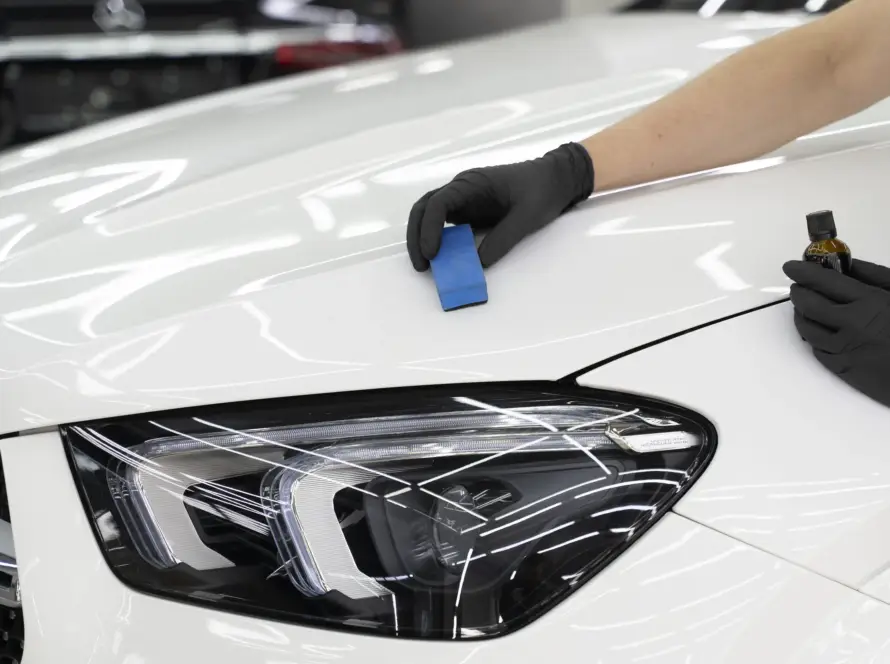
Protecting your car’s paint starts with applying paint protection film to the areas that face the most damage. High-impact zones like the front bumper, hood, mirrors, and door edges are constantly exposed to road debris, scratches, and environmental wear. Covering these sections first helps maintain your car’s appearance and reduces long-term repair costs.
But which areas actually need the most protection, and how do you decide what to cover based on your driving habits? Understanding where damage happens most often can help you make smarter decisions and get the most value from paint protection film.
This guide will break down the best areas on your car to apply paint protection film, why each section matters, and how proper coverage helps preserve your vehicle’s finish over time.
What is a Paint Protection Film and Why It’s Important?
Paint protection film, often called PPF, is a clear, durable layer applied to your car’s exterior surfaces. It acts as a barrier against scratches, stone chips, road debris, and environmental damage.
Unlike wax or coatings, PPF provides physical protection. It absorbs impact and prevents damage from reaching the paint underneath. This makes it one of the most effective solutions for maintaining your car’s original finish.
Applying paint protection film to the right areas not only improves durability but also helps retain resale value and keeps your vehicle looking newer for longer.
Best Areas on Your Car to Apply Paint Protection Film
Some parts of your vehicle are more exposed to damage than others. Protecting these high-impact zones first gives the best results and helps maintain your car’s overall appearance for a longer time.
Front Bumper Protection Area
The front bumper takes the most direct impact while driving. It constantly faces road debris, bugs, dirt, and small stones, especially at higher speeds.
- Most exposed part of the vehicle
- Prone to chips and scratches from highway driving
- Plays a major role in your car’s front appearance
Applying paint protection film here helps prevent visible damage, reduces wear over time, and keeps the front of your car looking clean and well-maintained.
Hood and Partial Hood Coverage
The hood is another high-impact area, especially during highway driving where debris hits with more force. The front portion usually experiences the most damage.
- Front section receives the highest impact
- Full or partial coverage options available
- Helps prevent chips, fading, and surface wear
Even partial hood coverage can significantly reduce visible damage, making it a practical and popular option for maintaining your vehicle’s finish.
Side Mirrors and Mirror Caps
Side mirrors are small but highly exposed components. Due to their position, they are constantly hit by airflow, dust, and flying debris.
- Continuous exposure to air pressure and debris
- Easily scratched in tight parking spaces
- Costly to repair or repaint
Adding paint protection film to mirrors helps preserve their finish and prevents small but noticeable imperfections over time.
Fender Edges and Wheel Arches
These areas are directly affected by debris thrown up from the tires while driving, especially on rough or uneven roads.
- High exposure to gravel, dirt, and road particles
- Common area for paint chipping and minor dents
- Helps maintain sharp and clean body lines
Protecting these sections ensures your car maintains a consistent and polished look across all panels.
Door Edges and Door Handle Areas
Daily use can cause gradual wear in these areas, even if it is not immediately visible. Over time, scratches can build up and affect the overall look.
- Door edges chip when hitting nearby surfaces
- Handles collect scratches from nails, keys, and rings
- Frequent use increases the risk of wear
Applying paint protection film here prevents everyday damage and keeps these high-contact areas looking smooth and well-kept.
5. Rocker Panels and Lower Side Panels
These lower sections of your car are constantly exposed to road debris, especially during highway driving or in rough conditions.
- Direct impact from stones, dirt, and water splash
- Often overlooked but highly vulnerable to damage
- Important for long-term durability and protection
Covering rocker panels is especially useful for drivers who frequently travel long distances or drive in harsher road conditions.
Headlights and Fog Lights
Lighting components are essential for visibility but are also prone to damage and wear over time due to exposure.
- Vulnerable to chips, cracks, and surface damage
- Can become dull or cloudy with constant exposure
- Expensive to replace or restore
Paint protection film helps maintain clarity, protects against minor damage, and extends the lifespan of your headlights and fog lights.
Rear Bumper and Trunk Edge
The rear section of your car often faces damage during everyday use, especially when loading and unloading items.
- Scratches from cargo, bags, and tools
- Frequent contact area during daily use
- Visible wear that affects overall appearance
Adding protection here helps maintain a clean finish and prevents unnecessary damage in areas that are used regularly.
By focusing on these key areas, you can protect your vehicle from the most common types of damage. This targeted approach helps maintain your car’s appearance, reduces maintenance, and ensures long-term value without needing full-body coverage.
How to Choose the Right Areas Based on Your Driving
Not every driver needs full vehicle coverage. The right paint protection film areas depend on how often you drive, the type of roads you use, and the level of exposure your vehicle faces daily. Choosing coverage based on your driving habits helps you protect the most vulnerable parts without overspending.
City Driving
Focus on door edges, bumpers, and mirrors where scratches and minor impacts from tight parking and daily use are more common.Highway Driving
Prioritize the hood, front bumper, and fenders since these areas face constant impact from high-speed debris and road particles.Long-Distance Travel
Add rocker panels and consider full front coverage to protect against continuous exposure to gravel, dirt, and harsh road conditions.Luxury Vehicles
Full-body protection is often preferred to maintain a flawless finish, preserve resale value, and avoid visible wear over time.
Selecting areas based on your driving style ensures you get the right balance between cost, protection, and long-term results.
Common Mistakes to Avoid When Applying Paint Protection Film
Avoiding common mistakes helps you get the most value from your paint protection film and ensures long-lasting performance. Many issues arise not from the product itself but from poor planning or incorrect application choices.
- Skipping high-impact areas like the front bumper
- Choosing partial coverage without understanding exposure
- Ignoring professional installation quality
- Focusing only on appearance instead of protection
- Delaying application until damage already occurs
Being proactive and informed helps you avoid these mistakes and ensures your investment delivers the protection you expect.
Final Thoughts
Applying paint protection film to the right areas is one of the smartest ways to preserve your car’s appearance and value. From high-impact zones like the front bumper and hood to everyday contact points like door edges and handles, each section plays a role in protecting your vehicle from damage.
At Westside Pro, we specialize in high-quality paint protection film installation designed to protect your vehicle where it matters most. Our team focuses on precision, durability, and long-term results. Contact now to explore the best paint protection solutions for your car and keep it looking its best for years to come.
FAQs
What areas of a car should have paint protection film applied?
The most important areas include the front bumper, hood, fenders, side mirrors, and rocker panels. These parts face the highest exposure to road debris, scratches, and environmental damage, making them ideal for paint protection film application.
Is it necessary to apply paint protection film to the entire car?
Full coverage is not always required. Most drivers benefit from protecting high-impact areas only, which offers strong protection while keeping costs lower. Full-body coverage is usually preferred for luxury or high-value vehicles.
Which part of the car gets damaged the most while driving?
The front bumper and hood experience the most damage due to direct exposure to debris, bugs, and stones, especially during highway driving. These areas should always be prioritized for protection.