Ceramic coating has become a popular solution for vehicle owners looking to protect their paint and maintain a glossy, showroom-quality finish. So, how long does ceramic coating last? The answer depends on several factors, but on average, ceramic coatings last anywhere from 1 to 10 years. Entry-level DIY coatings may last 1–2 years, mid-range coatings can last 2–5 years, and professional-grade coatings applied by experts can last 5–10 years with proper maintenance.
The longevity of a ceramic coating is influenced by the type of coating, application process, maintenance routine, environmental exposure, and driving habits. Understanding these factors can help vehicle owners maximize the life of their coating while enjoying its protective benefits.
Let’s explore in more detail what affects ceramic coating lifespan, its benefits, and how you can care for it to maintain your vehicle’s pristine appearance.
What Is Ceramic Coating?
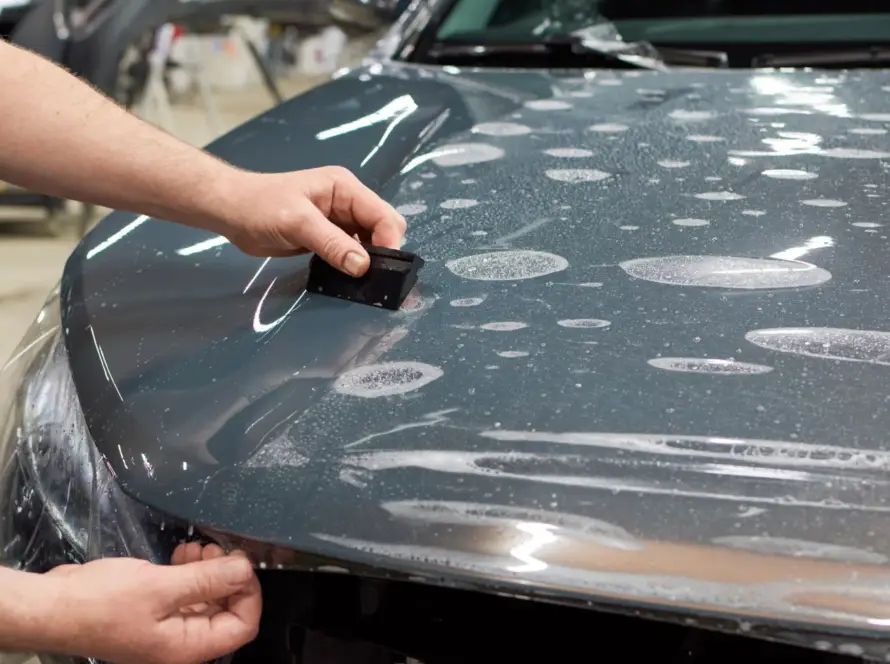
Ceramic coating is a liquid polymer applied to a vehicle’s exterior that chemically bonds with the paint to create a durable, protective layer. Unlike traditional wax or sealants, ceramic coatings offer long-lasting protection against environmental factors such as UV rays, chemical stains, dirt, and water spots. The coating creates a hydrophobic surface, meaning water beads and slides off easily, making cleaning and maintenance simpler.
Beyond protection, ceramic coatings also enhance the vehicle’s gloss and shine, giving it a polished look for years. With proper care, this coating can significantly reduce the time and effort required for cleaning and maintaining a vehicle’s exterior.
Typical Lifespan of Ceramic Coating
The lifespan of ceramic coating depends on multiple factors: product quality, professional application, and maintenance. Here’s a general guideline:
- Entry-Level DIY Coatings: Typically last 1–2 years. These are suitable for casual users but often require more frequent maintenance.
- Mid-Range Coatings: Can last 2–5 years. These coatings provide stronger protection and better durability than basic DIY options.
- Professional-Grade Coatings: Often last 5–10 years. Applied by certified professionals, these coatings offer the best adhesion, chemical resistance, and long-term protection when maintained properly.
Proper preparation of the vehicle’s surface before application is essential. Paint correction, thorough cleaning, and removal of contaminants ensure the coating bonds correctly, which directly impacts its lifespan.
Factors Affecting Ceramic Coating Longevity
Several key factors influence how long a ceramic coating lasts:
1. Quality of the Coating
The type and brand of ceramic coating matter. Professional-grade ceramic coatings are formulated with advanced polymers, offering superior durability and resistance to environmental damage compared to lower-quality DIY options.
2. Surface Preparation
Applying ceramic coating over a dirty or flawed surface can reduce its adhesion. Proper cleaning, paint correction, and decontamination are necessary to maximize the coating’s protective properties.
3. Environmental Exposure
Vehicles frequently exposed to sunlight, harsh weather, road salt, bird droppings, or industrial fallout may experience faster degradation of the coating. Indoor parking or covered storage can help extend its lifespan.
4. Maintenance Routine
Routine maintenance plays a crucial role. Regular washing with pH-neutral shampoos and avoiding abrasive cleaners help preserve the coating. Some coatings benefit from periodic top-up treatments to maintain hydrophobic properties.
5. Driving Habits
Frequent long-distance driving, off-road use, or exposure to heavily trafficked roads can affect the coating’s durability. Careful driving and avoiding contact with rough surfaces help maintain the protective layer.
By understanding and managing these factors, vehicle owners can significantly extend the life of their ceramic coating.
Choosing the Right Ceramic Coating for Your Vehicle
Selecting the appropriate ceramic coating is essential for long-lasting protection and maintaining your vehicle’s appearance. Not all coatings are created equal, so it’s important to consider your goals, driving habits, and desired durability. Key factors to keep in mind include:
- Type of Coating: Entry-level coatings are suitable for casual drivers, while professional-grade coatings provide superior durability, chemical resistance, and a lasting glossy finish.
- Vehicle Usage: Consider how often you drive, the conditions your car faces, and whether it is parked outdoors or in a garage.
- Desired Protection: Decide if you want basic protection, enhanced hydrophobic properties, or maximum scratch resistance.
- Maintenance Requirements: Some coatings need periodic top-ups or specific cleaning routines to maintain effectiveness.
- Professional Consultation: Experts can help select the coating that best suits your vehicle and ensure proper application for maximum lifespan.
Choosing the right coating for your car ensures long-term protection, preserves its glossy finish, and reduces the time and effort spent on maintenance.
Benefits of Ceramic Coating
Investing in a high-quality ceramic coating provides several advantages:
- Enhanced Paint Protection: Shields the vehicle from minor scratches, chemical stains, oxidation, and fading.
- Hydrophobic Properties: Water and dirt slide off easily, reducing cleaning time and effort.
- Long-Term Savings: Less frequent waxing and paint correction saves money and time over the years.
- Consistent Gloss: Maintains a deep, reflective shine that keeps the vehicle looking new.
- Ease of Maintenance: The protective layer makes routine washing more effective and less labor-intensive.
With these benefits, ceramic coating is a long-term solution for vehicle owners who want to preserve the value and appearance of their car.
Expert Tips for Maximizing Ceramic Coating Life
To get the most out of a ceramic coating, experts recommend:
Professional Application
Certified professionals ensure proper surface preparation and correct application techniques. This maximizes bonding and prolongs coating durability.
Regular Cleaning
Frequent washing with gentle, pH-neutral products prevents dirt and contaminants from degrading the coating.
Avoid Harsh Chemicals
Acidic or abrasive cleaners can damage the protective layer. Stick to products recommended for coated vehicles.
Periodic Top-Up Treatments
Some coatings benefit from a top-up application every 6–12 months to maintain water-repellent properties and overall protection.
Garage Parking
Whenever possible, keep your vehicle covered or in a garage to reduce UV and environmental exposure.
Following these tips helps ensure your ceramic coating lasts longer and continues to protect your vehicle effectively.
Conclusion
Ceramic coating provides long-lasting protection and a brilliant, glossy finish, but its lifespan depends on the type of product, proper application, maintenance, and environmental exposure. With the right care, professional-grade coatings can last several years, keeping vehicles protected and looking their best.
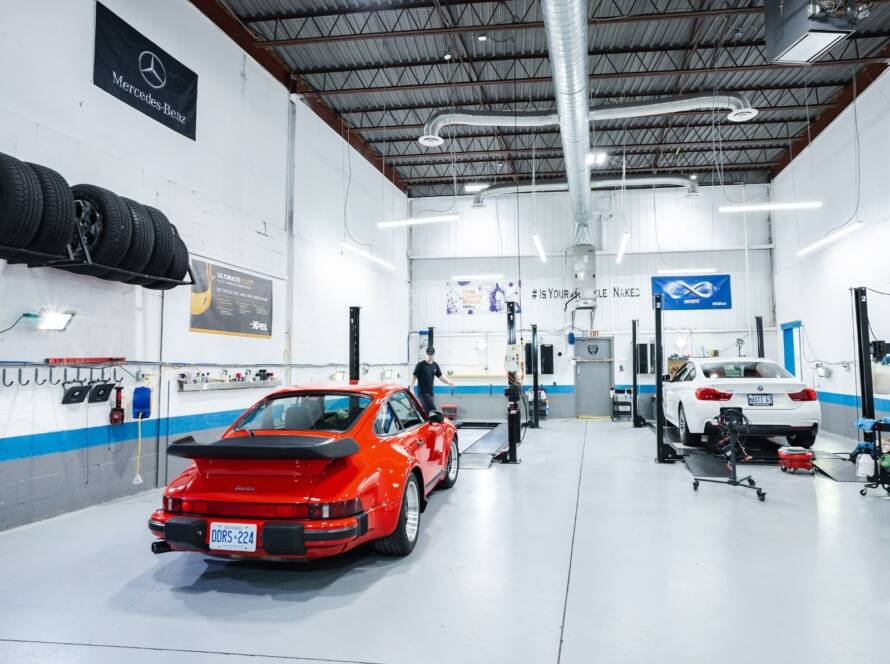
With years of experience and a professional, skilled team, we at WestSide Pro deliver expert ceramic coating services that ensure long-lasting results. Our focus on high-quality products and precise application provides maximum protection for every vehicle. Contact our team today to schedule your ceramic coating service and enjoy a vehicle that stays flawless for years to come.
FAQs
1. How long does ceramic coating last?
The lifespan of ceramic coating depends on the product and maintenance. Professional-grade coatings applied by our team at WestSide Pro can last 5–10 years with proper care, while DIY or lower-quality coatings may last 1–3 years.
2. Can ceramic coating prevent scratches?
Ceramic coating protects against minor scratches, swirl marks, and light abrasions, but it cannot prevent deep scratches or damage from accidents.
3. How often should I maintain my ceramic coating?
We recommend regular washing with gentle, pH-neutral products and occasional top-up treatments every 6–12 months to maintain optimal protection and hydrophobic properties.
4. Is professional application necessary?
Yes. Proper surface preparation and expert application are crucial to maximize adhesion, durability, and performance. Our team ensures every vehicle receives precise, professional-grade coating.
5. Can environmental factors shorten the coating’s lifespan?
Exposure to sunlight, road salt, bird droppings, and harsh weather can gradually reduce the coating’s effectiveness. Covered or garage parking and careful maintenance help extend its life.